Junior Tennis Training with a Ball Machine: A Parent's Guide
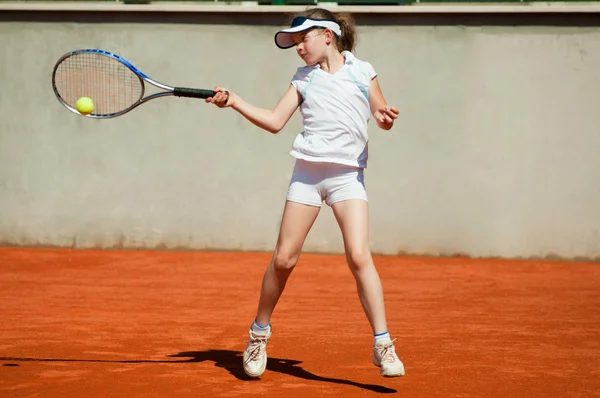
Every parent of a junior player knows the maths problem: a 60-minute group lesson with six kids means your child hits the ball for maybe ten minutes. Technique is built through thousands of clean repetitions, and there simply are not enough of them in a shared coaching session. A tennis ball machine solves this — it lets your child rehearse the same stroke hundreds of times in a focused half hour, turning lesson concepts into real, grooved habits.
This guide covers safe settings by age, drills that build technique without boring kids, and how machine practice fits alongside coaching. If your family is new to ball machines, read our beginner's guide to using a tennis ball machine first so an adult is comfortable operating it before the child steps on court.
Safety First: Setting Up for a Junior
An adult should always operate the machine for younger juniors. Keep the child well clear of the launch head when loading or adjusting, and never let kids reach into the hopper while the machine is running. Start gentle — it is far easier to build a child's confidence up from a slow feed than to recover it after a ball comes at them too fast.
- Adult operates the controls and stands beside the machine.
- Use low-compression (red/orange/green) balls for younger players — softer bounce, slower flight.
- Begin on a reduced court area so the child succeeds early.
- Keep sessions short: 20–30 minutes is plenty for a young junior.
Recommended Settings by Age
| Age | Speed | Feed | Ball | Oscillation |
|---|---|---|---|---|
| 7-8 (beginner) | 25-35% | Slow (7-8s) | Red/orange | Off |
| 9-11 | 35-50% | Slow (5-6s) | Orange/green | Off then narrow |
| 12-14 | 45-60% | Medium (4-5s) | Green/yellow | Narrow to wide |
| 15+ (competitive) | 55%+ | Medium (3-4s) | Yellow | Wide / random |
Three Drills That Build Technique (and Stay Fun)
Kids stay engaged when practice has a target and a score. Turn every drill into a little game and the repetitions take care of themselves.
- Target tennis: place two cones cross-court and count how many of 20 feeds land in the zone. Beat yesterday's score.
- Ten in a row: slow feed, and the goal is ten clean contacts in a row before a miss. Resets focus on contact, not power.
- Side-to-side: narrow oscillation with a "recover to the middle after every ball" rule, building footwork and stamina at once.
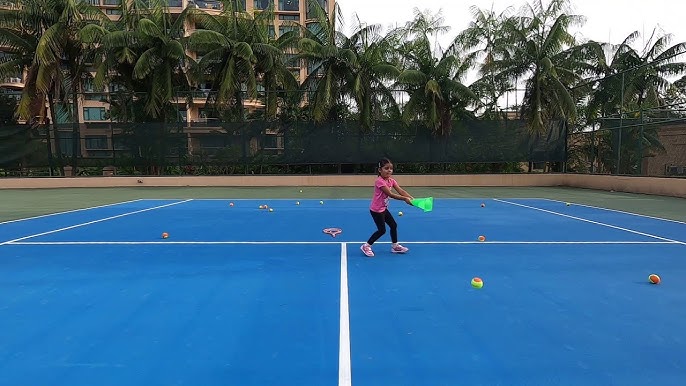
These groove the same fundamentals adults work on — the common forehand mistakes a machine helps correct show up early in juniors too, so getting the contact point right now saves years of bad habits later.
Keep It Positive
Praise effort and clean contact, not winners. A young player who associates the machine with fun and small wins will ask to come back. One who feels tested and corrected the whole time will not. End every session on a drill the child enjoys and succeeds at.
How Machine Practice Fits With Coaching
A machine is not a replacement for a coach — it is the practice partner between lessons. The coach diagnoses and teaches; the machine provides the volume of repetition needed to make the lesson stick. Our breakdown of ball machine vs private lessons explains the trade-off in detail, and it applies double for juniors: pair instruction with high-rep machine sessions for the fastest development.
One last practical note for Singapore families: pressureless balls hold up far better to high-volume junior sessions, which is why machines use them. Our post on why ball machines need pressureless balls covers the why. When you are ready to book a session, see our rental pricing or browse the machine features to pick the right setup for your child.
Related Reading
Give Your Junior More Reps
Rent a tennis ball machine in Singapore and turn practice time into real technical progress.