Tennis Volley & Net Drills with a Ball Machine
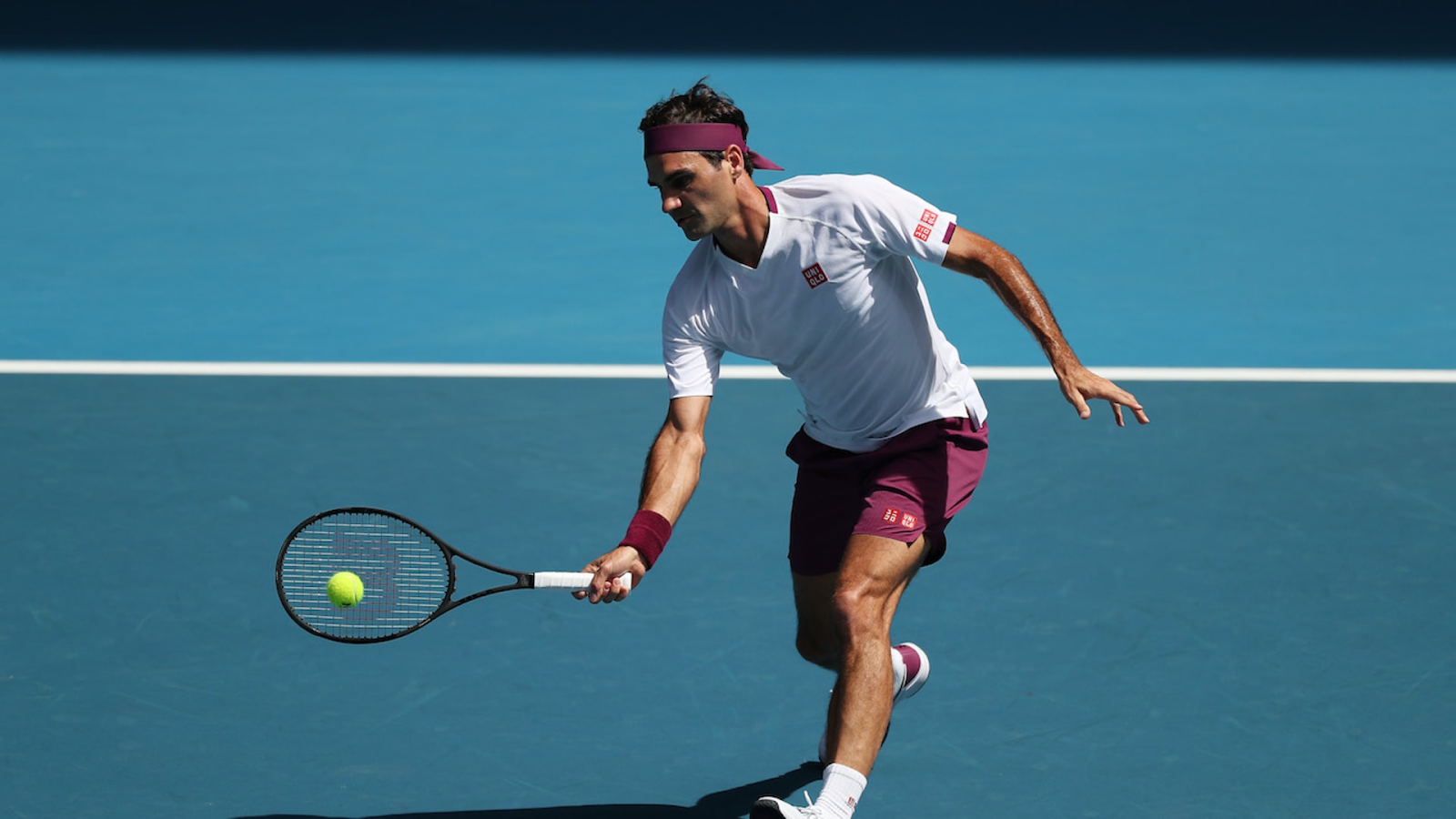
Almost every club-level player can hit a baseline rally, but ask them to finish at the net and the wheels come off. Volleys are short, sharp, and demand confident footwork — none of which gets practised when both players are stuck at the baseline. A tennis ball machine is the cheat code: you set it up once, walk to the net, and rehearse the exact same volley a hundred times until it feels routine.
This guide covers machine placement, the four core volley drills, and a clear progression so you do not waste reps. If you have not read our beginner setup guide, do that first — the safety section on machine positioning matters even more for net work.
Machine Placement for Volley Practice
Place the machine roughly at the opposite baseline, pointing toward the service box. Reduce launch elevation so balls reach you between hip and chest height. You want a flatter feed than for groundstrokes — high topspin is wasted at the net.
- Distance: 18–20 m from your volley position.
- Elevation: low (flat trajectory).
- Spin: none or light topspin.
- Feed rate: slow at first (4–5 seconds) so you can reset between volleys.
Drill 1: Fixed Forehand Volley
Stand inside the service line, racquet up in ready position. Aim feeds to your forehand side. Goal: short, compact punch with no backswing.
- 20 reps. Reset between sets.
- Cue: "shoulder turn, no swing."
- Track clean contacts, not winners.
Drill 2: Fixed Backhand Volley
Reposition so feeds reach your backhand side. The non-dominant hand sets the racquet face, the dominant hand punches forward.
- 20 reps with continental grip throughout — do not switch grips.
- Cue: "non-dominant hand at the throat, racquet head above the wrist."
- Stop and re-set if the racquet face drops.
Drill 3: Alternating Volleys with Split-Step
Turn on narrow oscillation so feeds alternate forehand and backhand. Add a split-step on every feed. This is where most players discover their footwork is the bottleneck, not their hands.
- 5 × 20 balls.
- Cue: "land on the split as the ball leaves the machine."
- Recover to centre after every volley.
Drill 4: Reaction Volleys (Fast Feed)
Move to the service line and increase feed rate to 1.5–2 seconds. Speed stays moderate — the point is reaction time, not pace. Keep backswings minimal; let the ball come to the racquet.
- 4 × 15 balls with full rest between sets.
- Cue: "hands first, feet second, eyes on the ball."
- Stop the set the moment technique collapses.
Recommended Settings Summary
| Drill | Speed | Elevation | Feed | Oscillation |
|---|---|---|---|---|
| Fixed FH volley | 40-50% | Low | Slow (4s) | Off |
| Fixed BH volley | 40-50% | Low | Slow (4s) | Off |
| Alternating + split | 50-60% | Low | Medium (3s) | Narrow |
| Reaction volleys | 55-65% | Low | Fast (1.5-2s) | Narrow random |
Common Volley Mistakes the Machine Will Expose
- Big backswings. If you take the racquet back like a groundstroke, you will be late on the fast-feed drill.
- Grip switching. Continental for both sides — switching grips costs you tenths of a second you do not have.
- Flat feet. No split-step = no reaction. Add it deliberately to every rep until it is automatic.
- Wrist-only contact. Volleys come from the shoulder and core, not the wrist.
How Often Should You Do This?
One dedicated 30-minute volley block per week is enough for most players to see noticeable improvement in 3–4 weeks. Slot it in alongside the groundstroke work in our 4-week training plan — most players neglect volleys and over-train forehands. Don't.
Related Reading
Book Your Net-Play Session
Rent a tennis ball machine and dedicate a session entirely to your volleys this week.