Return of Serve Drills with a Tennis Ball Machine
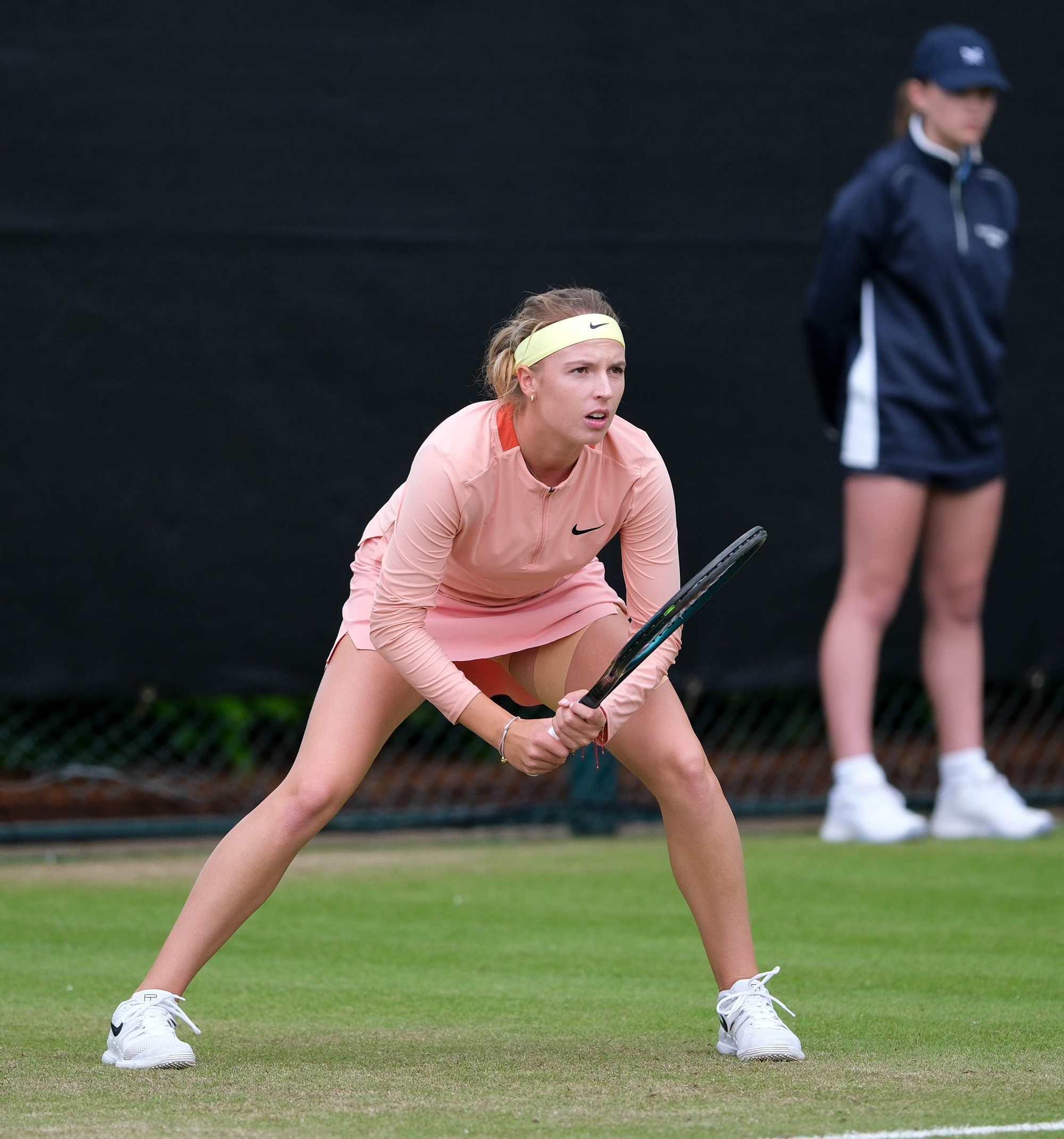
The return of serve is the second-most-hit shot in tennis, yet almost nobody practises it. In a normal hitting session you rally cross-court for an hour and never face a single serve. Then you play a match, get jammed by a fast first serve, and wonder why your timing feels off. A tennis ball machine fixes this — it feeds you the same fast, deep ball over and over so you can rebuild the one shot that decides whether you ever get into the point.
This guide covers how to position the machine to mimic a serve, the four core return drills, and a weekly progression. If you are new to machine work, start with our beginner's guide to using a tennis ball machine first — the safety and setup fundamentals carry straight over to faster feeds.
Setting Up the Machine to Mimic a Serve
A serve arrives fast, deep, and from above. You can reproduce two of those three with any ball machine. Position the machine near the opposite service line or baseline, raise elevation so the ball lands deep in your return box, and crank the speed up. The feed will not curve like a kick serve, but it trains the most important variable: reacting to pace you do not control.
- Position: opposite service line (faster, flatter) or baseline (deeper).
- Elevation: medium-high so the ball drops into the back third of the box.
- Speed: 60–70% to start, then push higher as you adapt.
- Feed rate: slow (5–6 seconds) so you reset and split-step on every ball.
Drill 1: Block Return (Survive the First Serve)
Against a fast feed, your only job is a short, firm block — no backswing. Take the racquet back barely past your shoulder, meet the ball in front, and let the incoming pace do the work. This is the return that keeps you in the point against a big server.
- 20 reps. Reset and split-step before each feed.
- Cue: "short back, long through."
- Track depth — aim every return past the service line.
Drill 2: Drive Return (Attack the Second Serve)
Drop the speed to 50–55% to simulate a weaker second serve, then step in and drive. The goal is to take time away from the server by hitting on the rise and moving forward through contact rather than backing up.
- 20 reps alternating cross-court and down-the-line targets.
- Cue: "step in, hit on the rise."
- Finish balanced and ready — the point is not over after the return.
Drill 3: Split-Step Timing
The single biggest return fault is being flat-footed when the ball is struck. Use a slow feed and obsess over one thing: landing your split-step the instant the ball leaves the machine. This is the same footwork principle covered in our volley and net drills, applied to the baseline.
- 5 × 15 balls.
- Cue: "land as the ball launches, then explode to the ball."
- If you are reaching or late, slow the feed further — do not rush the progression.
Drill 4: Random Side Returns (Game Realism)
Turn on oscillation so feeds alternate to the forehand and backhand wings unpredictably. Now you must read the ball and choose block or drive on the fly — exactly like a real return game where you never know which way the serve is going.
- 4 × 15 balls with full rest between sets.
- Cue: "read first, swing second."
- Stop the set the moment your footwork or contact point falls apart.
Recommended Settings Summary
| Drill | Speed | Elevation | Feed | Oscillation |
|---|---|---|---|---|
| Block return | 65-75% | Medium-high | Slow (5-6s) | Off |
| Drive return | 50-55% | Medium | Slow (5s) | Off |
| Split-step timing | 55-65% | Medium-high | Slow (6s) | Off |
| Random side returns | 60-70% | Medium-high | Medium (4s) | Wide random |
Quick Drill Recipe: The 6-Minute Return Warm-Up
Two minutes of slow block returns, two minutes of drive returns on a softer feed, then two minutes of random-side returns at match speed. Run it at the start of every machine session and your timing will be sharp before you even touch your groundstrokes.
Common Return Mistakes the Machine Will Expose
- No split-step. Flat feet against a fast feed means you are always late. The machine makes this brutally obvious.
- Backswing too big. Treating a 70% feed like a rally ball gets you jammed every time.
- Backing up. Drifting backwards gives the server more time, not less. Step in or hold your ground.
- Drifting contact point. Meet the ball in front; let pace deflect off a firm racquet face.
Fitting Returns Into Your Training Week
One dedicated 25–30 minute return block per week is plenty for most players. Slot it alongside the groundstroke work in our 4-week ball machine training plan, and if you are weighing machine sessions against coaching, our breakdown of ball machine vs private lessons explains why returns are one of the shots a machine trains better than a coach can feed. Ready to book? Check our rental pricing or see the machine features first.
Related Reading
Drill Your Return This Week
Rent a tennis ball machine in Singapore and dedicate a session to the one shot nobody practises.